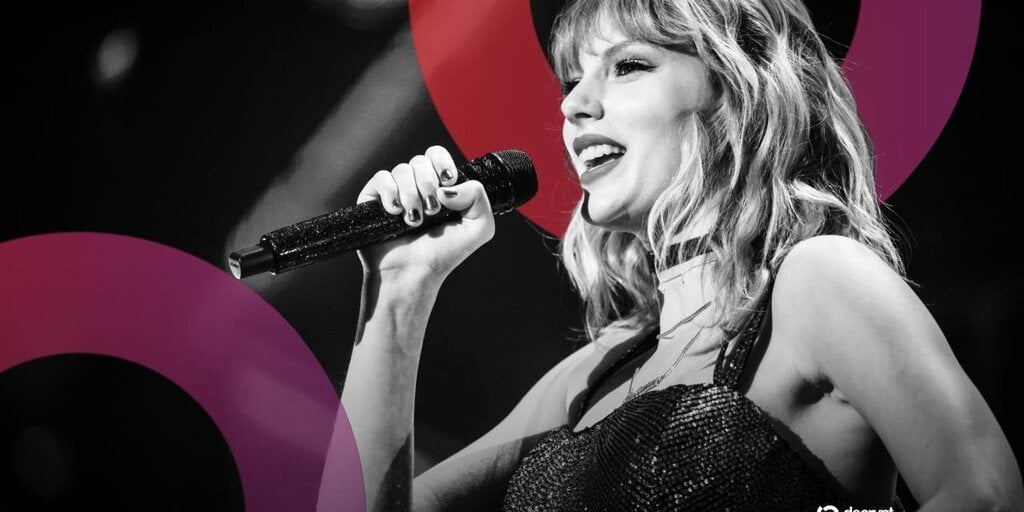
Taylor Swift Trademarks Voice, Image to Combat AI Deepfakes — A New Legal Frontier
The big picture here is the escalating tension between generative AI's capabilities and existing intellectual property law. Taylor Swift's actions highlight that the entertainment industry, and by extension, any industry reliant on unique creative output, faces unprecedented challenges in protecting its assets. Investors should consider how companies are adapting their IP strategies for an AI-first world, as this will increasingly dictate future revenue streams and legal liabilities.
Why This Matters
- ▸Sets precedent for celebrity IP protection against AI.
- ▸Highlights growing legal challenges with generative AI.
Market Reaction
- ▸Likely positive for companies specializing in digital rights management.
- ▸No direct broad market impact, but watch entertainment IP stocks.
What Happens Next
- ▸Other celebrities and artists will likely follow suit.
- ▸Legal battles over AI-generated content will intensify.
The Big Market Report Take
Taylor Swift is making a smart move, seeking trademarks for her voice and image to combat the rising tide of AI deepfakes. This isn't just about protecting her personal brand; it's a proactive step in a rapidly evolving digital landscape where generative AI tools are making it easier to create convincing fakes. While not a direct market mover for the S&P 500, this action by Swift signals a growing battleground for intellectual property in the age of AI. It underscores the urgent need for robust legal frameworks to protect creators.
Related Guides
Never miss a story
More from this section
- Stock Market's 'Curious Exuberance' on Iran War — Why It Matters for InvestorsBloomberg Markets34m ago
- Intel: SOX Compliance Remains Key for Investor ConfidenceSeeking Alpha35m ago
- LendingClub, Nucor, Rambus, BBBY Surge After Hours — What's Driving ThemCNBC Markets36m ago

- Atlassian Stock Poised for Gains as AI Fears SubsideSeeking Alpha1h ago